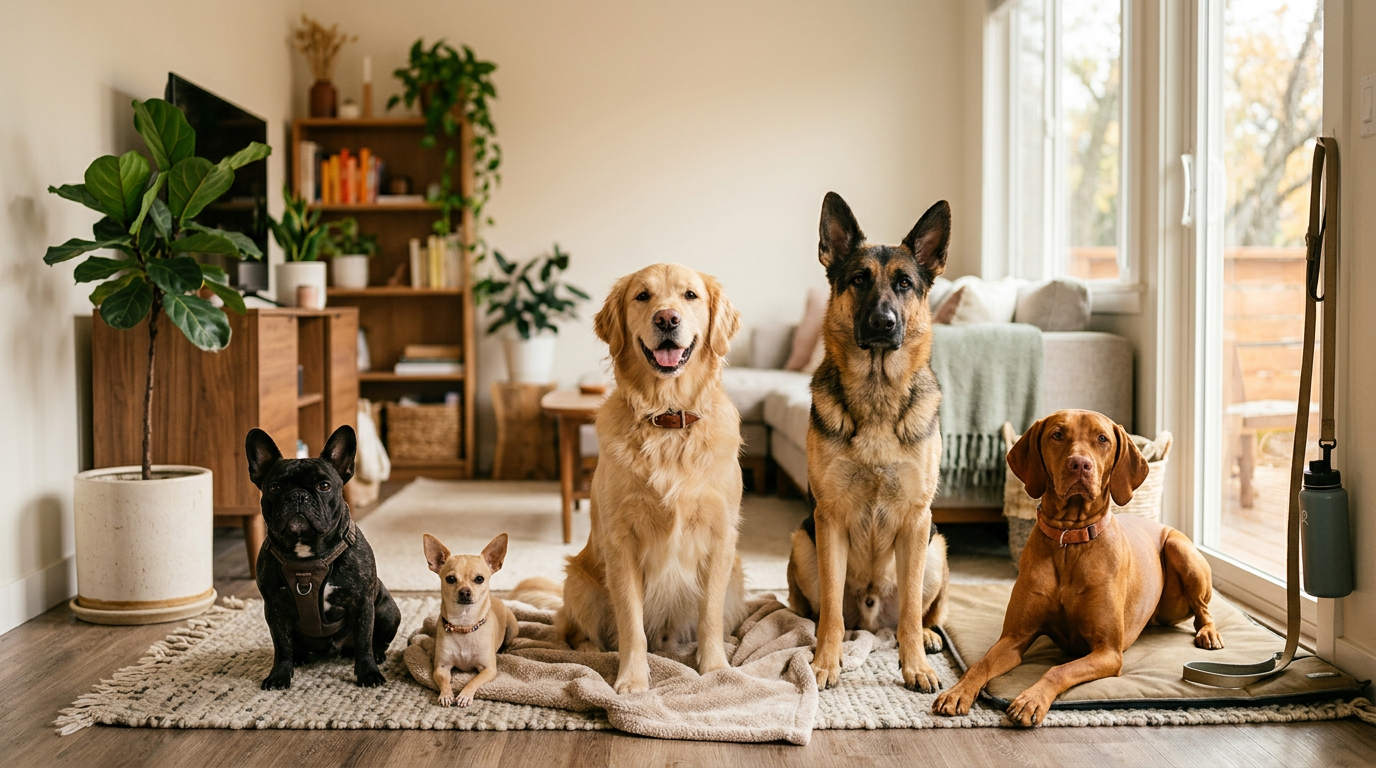
Blog

  • Chihuahua Breed Database: The Complete Care, Training, Health, and Lifestyle Guide

    Everything about the chihuahua

    Welcome to the definitive reference database for the Chihuahua. Whether you are researching your next urban companion or looking to optimize care for a lifelong tiny friend, this manual provides an exhaustive, practical breakdown of everything required to raise a healthy, emotionally balanced, and confident Chihuahua.


    Quick Reference Database Metrics

    ⭐ Family-Friendly:         ⭐⭐⭐ (Best for older, respectful children)
    ⭐⭐ Exercise Requirement:   ⭐⭐ (Low to Moderate; 30–45 mins daily)
    ⭐⭐⭐ Grooming Needs:         ⭐⭐⭐ (Low coat maintenance; High dental requirement)
    ⭐⭐⭐⭐ Trainability:        ⭐⭐⭐⭐ (High intelligence; requires positive reinforcement)
    ⭐⭐⭐⭐⭐ Apartment Match:   ⭐⭐⭐⭐⭐ (Industry benchmark for small-space living)
    Trait SpecificationStandard Value / Classification
    Breed TypeToy Group (AKC, UKC, FCI)
    Average Height15 – 23 cm (6 – 9 inches) at the withers
    Average Weight1.5 – 3.0 kg (3.3 – 6.6 lbs)
    Lifespan14 – 18+ years
    Coat VarietiesSmooth Coat (Short-haired) / Long Coat (Long-haired)
    Energy LevelModerate with high-burst activity intervals
    Barking FrequencyModerate to High (Requires proactive training)
    Shedding LevelLow to Moderate (Seasonal shedding in spring/fall)
    Hypoallergenic?No

    1. Breed Overview & History

    The Chihuahua holds the distinction of being the smallest recognized purebred dog in the world, yet its lineage is steeped in ancient Mesoamerican history. The widely accepted ancestor of the modern Chihuahua is the Techichi, a small, mute companion dog kept by the Toltec civilization in Mexico as early as the 9th century AD.

    When the Aztecs conquered the Toltecs in the 12th century, they integrated the Techichi into their religious and domestic lives. Aztecs believed these small canines possessed spiritual abilities, including the power to guide human souls through the underworld (Mictlān) after death. Because of this spiritual reverence, they were frequently maintained in royal palaces and interred alongside their owners.

    In the mid-19th century, around 1850, American travelers visiting the Mexican state of Chihuahua rediscovered these diminutive canines living in rural communities. The breed was officially named after the region. The American Kennel Club (AKC) registered its first Chihuahua, a dog named “Midget,” in 1904.

                      ┌───────────────────────────────┐
                      │   Ancient Techichi (Toltec)   │
                      └──────────────┬────────────────┘
                                     │
                                     ▼
                      ┌───────────────────────────────┐
                      │ Aztec Ritual & Companion Dog  │
                      └──────────────┬────────────────┘
                                     │
                                     ▼
                      ┌───────────────────────────────┐
                      │  1850s: Rediscovery in Mexico │
                      └──────────────┬────────────────┘
                                     │
                                     ▼
                      ┌───────────────────────────────┐
                      │ 1904: Official AKC Recognition│
                      └───────────────────────────────┘

    Apple Head vs Deer Head Chihuahua

    Breeders and breed enthusiasts categorize Chihuahuas into two distinct skull conformations:

          APPLE HEAD                              DEER HEAD
          ┌──────────┐                            ┌──────────┐
          │  (o  o)  │ ◄── 90° Stop Angle         │  \    /  │ ◄── 45° Sloped Stop
          │   └──┘   │                            │  (o  o)  │
          └──────────┘                            │   └──┘   │
          • Domed cranium                         └──────────┘
          • Short, pointed muzzle                 • Sloped, deer-like profile
          • AKC Breed Standard                    • Longer muzzle & legs
    • Apple Head: Characterized by a rounded, dome-shaped skull that forms a sharp 90-degree angle (the “stop”) where the muzzle meets the forehead. The muzzle is short and pointed, and the eyes are prominent. This is the only head type accepted in official AKC conformation show rings.
    • Deer Head: Features a longer, narrower skull with a sloping 45-degree stop. Deer heads typically have longer muzzles, taller ears, and longer legs. While not eligible for show-ring titles under strict AKC breed standards, deer-headed Chihuahuas are popular family companions and tend to experience fewer respiratory and ocular complications due to their longer nasal passages.

    2. Size, Weight & Physical Varieties

    According to official kennel club standards across the globe, a healthy adult Chihuahua should weigh between 1.5 and 3.0 kilograms (3 to 6 pounds). While dogs under 3 pounds exist, commonly marketed by backyard breeders under terms like “teacup,” “micro,” or “pocket,” these sizes fall outside standard guidelines and carry significantly elevated risks for life-threatening medical conditions like liver shunts, hydrocephalus, and severe hypoglycemia.

    Growth Milestones & Weight Chart

    Age StageTarget Weight Range (Grams)Target Weight Range (Pounds)Nutritional Focus
    8 Weeks450 – 900 g1.0 – 2.0 lbsHypoglycemia prevention / High calorie
    4 Months900 – 1600 g2.0 – 3.5 lbsControlled growth / Muscle support
    6 Months1200 – 2200 g2.6 – 4.8 lbsSkeletal maturation / Adult teeth emergence
    12 Months (Adult)1500 – 3000 g3.3 – 6.6 lbsCaloric maintenance / Weight control

    The Two Coat Varieties

        ┌───────────────────────────────┬───────────────────────────────┐
        │       SMOOTH COAT (SHORT)     │       LONG COAT (FEATHERED)   │
        ├───────────────────────────────┼───────────────────────────────┤
        │ • Dense, glossy outer coat    │ • Soft, fine texture          │
        │ • Minimal seasonal shedding   │ • Undercoat present or absent │
        │ • Wash-and-wear maintenance   │ • Feathering on ears & tail   │
        │ • Low thermal insulation      │ • Moderate tangle liability   │
        └───────────────────────────────┴───────────────────────────────┘
    1. Smooth-Coat (Short-Haired): Close-lying, glossy fur with a soft texture. The hair is slightly thicker around the neck (ruff) and sparser on the head and ears. This coat offers minimal natural insulation against cold weather.
    2. Long-Coat (Long-Haired): Flat or slightly wavy fur with a soft, silky texture. It features distinct feathering around the ears, a pronounced ruff on the chest, fringing on the legs, and a plume-like tail. Contrary to initial assumptions, long-coat Chihuahuas shed roughly the same amount as smooth-coated varieties and do not require professional clipping.

    3. Lifespan & Longevity Metrics

    Chihuahuas routinely rank among the longest-living dog breeds. With appropriate preventive healthcare, balanced nutrition, and daily dental maintenance, their life expectancy ranges between 14 and 18 years, with documented individuals reaching 20 years or older.

      0 yrs        4 yrs             8 yrs             12 yrs            16+ yrs
      ┌────────────┬─────────────────┬─────────────────┬─────────────────┬────►
      │ Puppyhood  │   Adult Prime   │  Mature Adult   │  Senior Stage   │ Geriatric
      └────────────┴─────────────────┴─────────────────┴─────────────────┴────►

    Factors That Determine Longevity:

    • Periodontal Disease Management: Bacteria from infected gums enter the bloodstream and can cause secondary micro-infections in the heart valves and kidneys. Consistent dental cleaning directly extends their functional lifespan.
    • Weight Control: Extra weight places mechanical stress on tiny joints (contributing to patellar luxation) and compresses the airway (worsening tracheal collapse).
    • Cardiovascular Care: Early detection of mitral valve disease through annual auscultation (stethoscope exams) allows for medical intervention before congestive heart failure develops.

    4. Temperament, Personality & Breed Quirks

    The Chihuahua packs dynamic, terrier-like vigilance into a tiny frame. They are observant, courageous, and deeply devoted companions.

                               ┌──────────────────────────┐
                               │    Chihuahua Mindset     │
                               └─────────────┬────────────┘
                    ┌────────────────────────┼────────────────────────┐
                    ▼                        ▼                        ▼
         ┌─────────────────────┐  ┌─────────────────────┐  ┌─────────────────────┐
         │ Unflinching Loyalty │  │ High Environmental  │  │   Burrowing & Heat  │
         │  Single-Person Bond │  │      Vigilance      │  │      Seeking        │
         └─────────────────────┘  └─────────────────────┘  └─────────────────────┘

    Key Personality Traits

    • Single-Person Bonding: While Chihuahuas can love an entire family, they frequently choose one specific person as their primary attachment figure. They will follow this person from room to room, sit on their lap, and monitor their whereabouts.
    • High Alertness: Their hearing is acute and their territorial instinct is strong. Without consistent early socialization, this vigilance can turn into reactive barking at everyday doorbells, passing pedestrians, or environmental sounds.
    • Burrowing Instinct: Chihuahuas love to burrow under blankets, pillows, and clothing. This instinct helps them regulate their body temperature and gives them a secure, den-like resting space. Always check blankets before sitting down on couches or beds.

    Why Do Chihuahuas Shake Often?

    Trembling is common in this breed and typically stems from four distinct sources:

    1. Thermoregulation (Cold): Their tiny body mass and minimal body fat result in rapid heat loss. A room temperature that feels comfortable to a human can cause a Chihuahua to shiver.
    2. High Metabolism & Excitement: A high resting metabolic rate combined with heightened emotional arousal (excitement, anticipation, or minor stress) can trigger muscle tremors across the chest and flanks.
    3. Anxiety or Fear: Sensory overload from unfamiliar environments, loud noises, or rough handling often shows up as persistent trembling.
    4. Hypoglycemia (Medical Alert): If trembling is accompanied by lethargy, glassiness in the eyes, or stumbling, it may point to a drop in blood sugar requiring immediate intervention with oral glucose or honey.

    5. Exercise, Play & Daily Activity Needs

    While Chihuahuas do not require miles of daily running, their active minds and compact bodies benefit from regular, structured exercise.

           ┌────────────────────────────────────────────────────────┐
           │             Daily Activity Quota: 30–45 Mins           │
           ├──────────────────────────┬─────────────────────────────┤
           │ Structured Walking: 50%  │ Interactive Play / Brain: 50%│
           │ (2 x 15-minute walks)    │ (Puzzles, fetch, nose-work) │
           └──────────────────────────┴─────────────────────────────┘

    Exercise Guidelines

    • Physical Duration: Two 15- to 20-minute structured walks per day fulfill their cardiovascular needs while providing necessary outdoor sniffing and mental engagement.
    • Mental Stimulation: Interactive puzzle boards, scent-trail games, and short training sessions prevent boredom-driven behaviors like nuisance barking or carpet chewing.
    • Indoor Agility & Play: On days with extreme weather, a game of fetch using a miniature plush toy or an indoor training session easily meets their exercise requirements.
        SAFETY WARNING: TEMPERATURE THRESHOLDS
        ---------------------------------------------------------
        Below 10°C (50°F):  Fleece jacket or sweater recommended.
        Below 4°C (40°F):   Insulated coat mandatory; limit walks to under 10 minutes.
        Above 28°C (82°F):  High risk of hyperthermia; walk during early morning/late evening.

    6. Complete Grooming & Hygiene Manual

    Grooming needs vary between the two coat varieties, but comprehensive dental and claw maintenance is essential for all Chihuahuas.

                              ┌───────────────────────────┐
                              │   Weekly Grooming Plan    │
                              └─────────────┬─────────────┘
                    ┌───────────────────────┼───────────────────────┐
                    ▼                       ▼                       ▼
         ┌─────────────────────┐ ┌─────────────────────┐ ┌─────────────────────┐
         │ Daily: Dental Care  │ │ Weekly: Coat & Ears │ │ Monthly: Nail Trim  │
         │ Enzymatic brushing  │ │ Slicker / Pin brush │ │ Clip/Dremel past    │
         │ or oral gel         │ │ check wax buildup   │ │ quick threshold     │
         └─────────────────────┘ └─────────────────────┘ └─────────────────────┘

    Chihuahua Long Hair Grooming Guide

    • Tools Required: Soft slicker brush, stainless-steel dual-density comb, and leave-in conditioning spray.
    • Step 1 (Line Brushing): Mist the coat lightly with conditioning spray to prevent hair breakage. Part the fur and brush from the skin outward, working in small sections from the neck down to the tail.
    • Step 2 (Fringe & Feather Detangling): Use the fine-toothed side of the comb to gently tease out snarls behind the ears, on the chest ruff, and along the rear leg feathering.
    • Step 3 (Sanitary Trim): Every 4 to 6 weeks, trim the hair around the perianal area and paw pads using rounded-tip safety shears to maintain hygiene.

    Smooth-Coat Maintenance Protocol

    • Tools Required: Rubber curry brush or soft natural-bristle brush.
    • Routine: Brush once or twice a week using circular strokes to lift loose hairs and stimulate skin oils. Finish by wiping down with a damp microfiber cloth to remove dust and maintain shine.

    Chihuahua Dental Care Tips

    Because their teeth are set in very small jaws, Chihuahuas face a high rate of severe periodontal disease. Without daily care, they can experience bone loss and premature tooth loss as early as age three.

                    DAILY DENTAL PROTOCOL
                    ┌─────────────────────────────────────────┐
                    │ 1. Finger brush with enzymatic paste    │
                    │ 2. Target back molars & outer gumline   │
                    │ 3. Supplement with VOHC-approved chews  │
                    │ 4. Annual veterinary ultrasonic scale   │
                    └─────────────────────────────────────────┘
    • Step 1: Use an ultra-soft micro-head toothbrush or silicone finger brush with enzymatic, pet-safe toothpaste (never use human toothpaste containing fluoride or xylitol).
    • Step 2: Lift the lips and gently brush the outer surfaces of the teeth in circular motions, focusing on the upper back premolars and molars where plaque collects fastest.
    • Step 3: Introduce raw kelp supplements or water additives approved by the Veterinary Oral Health Council (VOHC) to reduce tartar formation between brushings.

    7. Nutrition, Diet & Feeding Protocols

    Chihuahuas burn more calories per pound of body weight than large-breed dogs. However, because their overall stomach volume is tiny, they require calorie-dense, highly digestible food with an appropriately small kibble size.

      Kibble Caloric Density: ~350–400 kcal/cup
      ┌─────────────────────────────────────────────────────────────┐
      │ Adult Daily Target: ~40–55 calories per pound of body weight│
      │ Example: 5 lb Chihuahua = ~200–275 kcal total daily intake   │
      └─────────────────────────────────────────────────────────────┘

    Feeding Schedule by Life Stage

          PUPPY (8 wks – 6 mos)              ADULT (6 mos – 9 yrs)             SENIOR (9+ yrs)
        ┌───────────────────────┐          ┌───────────────────────┐          ┌───────────────────────┐
        │ 4 Equal Meals Daily   │          │ 2 Equal Meals Daily   │          │ 2 Smaller Meals Daily │
        │ Prevents Hypoglycemia │          │ AM & PM Routine       │          │ Joint/Kidney Support  │
        └───────────────────────┘          └───────────────────────┘          └───────────────────────┘

    Preventing Hypoglycemia in Puppies

    Chihuahua puppies have small glycogen reserves in their livers. Missing a meal, overexertion, or sudden environmental stress can lead to a quick drop in blood sugar.

    • Warning Signs: Disorientation, glassy eyes, wobbly gait, lethargy, jaw clamping, or full-body shivering.
    • Emergency Response: Keep maple syrup or high-calorie nutritional gel on hand. Rub a dime-sized amount directly onto the puppy’s gums. Seek immediate veterinary care if the puppy does not perk up within 10 minutes.

    Chihuahua Diet for Longevity: Essential Nutritional Rules

    1. Animal Protein as the First Ingredient: Look for foods with identified meat proteins (such as deboned chicken, turkey, lamb, or salmon) to support lean muscle mass.
    2. Controlled Phosphorus & Sodium: Moderate mineral levels reduce stress on their kidneys and cardiovascular system.
    3. Omega-3 Fatty Acids (EPA/DHA): Marine-sourced fatty acids help manage inflammation, support cognitive health, and protect joint cartilage.
    4. Avoid Toxic Foods: Always keep your dog away from onions, garlic, grapes, raisins, macadamia nuts, chocolate, caffeine, and xylitol (birch sugar).

    8. Common Health Considerations & Clinical Indicators

    While robust overall, their small size and genetic profile predispose Chihuahuas to specific medical conditions. Routine veterinary screenings help catch these issues early.

                        ┌─────────────────────────────────────────┐
                        │      Common Health Concerns in Chis     │
                        └────────────────────┬────────────────────┘
              ┌──────────────────────────────┼──────────────────────────────┐
              ▼                              ▼                              ▼
    ┌──────────────────┐           ┌──────────────────┐           ┌──────────────────┐
    │  Cardiovascular  │           │   Orthopedic     │           │   Respiratory    │
    │  Mitral Valve    │           │  Patellar Lux.   │           │ Tracheal Collapse│
    │  Disease (MMVD)  │           │  (Grades I–IV)   │           │  "Goose Honk"    │
    └──────────────────┘           └──────────────────┘           └──────────────────┘

    1. Patellar Luxation

    • Description: The kneecap slips out of its normal groove on the femur. It is graded from Grade I (slips out occasionally, returns on its own) to Grade IV (permanently dislocated, causing lameness).
    • Symptoms: Skipping steps on walks, running on three legs for a few strides and then returning to normal, or a popping sensation in the stifle joint.
    • Management: Keep weight low, provide joint supplements with glucosamine/chondroitin, use ramps for furniture, and consider corrective surgery for Grades III and IV.

    2. Collapsing Trachea

    • Description: The C-shaped cartilage rings of the windpipe soften and flatten during breathing, narrowing the airway.
    • Symptoms: A dry, harsh, “goose-honking” cough brought on by excitement, exercise, heat, or leash pressure on the throat.
    • Management: Always walk your dog with a chest harness rather than a neck collar, avoid airborne irritants like smoke or perfumes, and use veterinarian-prescribed cough suppressants, bronchodilators, or anti-inflammatories as needed.

    3. Myxomatous Mitral Valve Disease (MMVD)

    • Description: The heart’s mitral valve degenerates over time, allowing blood to leak backward into the left atrium and potentially leading to heart enlargement and failure.
    • Symptoms: Exercise intolerance, rapid resting breathing rate (over 30 breaths per minute while sleeping), and coughing during the night or early morning.
    • Management: Annual stethoscope exams to listen for murmurs, followed by chest X-rays and echocardiograms when a murmur is heard. Medications like pimobendan can slow the progression of the disease.

    4. Molera (Open Fontanelle)

    • Description: An open soft spot on top of the skull where the parietal and frontal bones do not completely fuse.
    • Clinical Relevance: Common in apple-head puppies and often harmless. However, owners must protect the area from blunt trauma. An exceptionally large molera can occasionally accompany congenital hydrocephalus.

    9. Comprehensive Training & Behavioral Guidance

    Chihuahuas are intelligent, alert learners that respond well to clear, consistent direction. Training should focus on positive reinforcement to build confidence and prevent reactive behaviors.

                      ┌────────────────────────────────────────┐
                      │    Core Behavioral Training Pillars    │
                      └───────────────────┬────────────────────┘
             ┌────────────────────────────┼────────────────────────────┐
             ▼                            ▼                            ▼
    ┌───────────────────┐        ┌───────────────────┐        ┌───────────────────┐
    │ Confidence Skills │        │ Proactive Counter-│        │ Gentle & Clear    │
    │ Desensitize to low│        │ Conditioning for  │        │ Housebreaking     │
    │ angles and sounds │        │ Separation Anxiety│        │ Routine           │
    └───────────────────┘        └───────────────────┘        └───────────────────┘

    Resolving Small Dog Syndrome

    “Small Dog Syndrome” is not an inborn breed trait; it is an acquired behavior that develops when owners tolerate or laugh at actions in a 5-pound dog that would be corrected in a 60-pound dog (such as growling over food, snapping at guests, or jumping up).

    • Solution: Set clear, gentle boundaries. Have your Chihuahua sit before receiving meals, leash attachments, or lap privileges. Treat them like a capable canine to build genuine security and stability.

    Chihuahua Puppy Training Essentials & Socialization Schedule

     8 to 12 Weeks Old: Critical Window
     ─────────────────────────────────────────────────────────────
     • Introduce 15+ new surface textures (wood, tile, metal, grass).
     • Expose to household sounds at low, calm volumes (vacuums, doorbells).
     • Practice gentle, all-over handling: ears, toes, lips, and tail.
    
     12 to 16 Weeks Old: Controlled Expansion
     ─────────────────────────────────────────────────────────────
     • Introduce calm, vaccinated dogs of various sizes in quiet settings.
     • Arrange positive, low-key interactions with strangers offering treats.
     • Take short socialization trips in a carrier to malls or outdoor cafes.

    Chihuahua Separation Anxiety Solutions

    Because they bond closely with their humans, Chihuahuas can develop separation-related distress when left alone.

                  SEPARATION DESENSITIZATION PROGRESSION
                  ┌─────────────────────────────────────┐
                  │ Phase 1: Micro-Absences (1–3 mins)  │
                  │ Phase 2: Desensitize Cue Triggers   │
                  │ (Jingle keys, put on coat, sit)     │
                  │ Phase 3: High-Value Enrichment Pad  │
                  │ (Lick mat with frozen wet food)     │
                  │ Phase 4: Extended Alone Time (1–4h) │
                  └─────────────────────────────────────┘
    • Step 1: Desensitize departure cues. Pick up your keys, put on your coat, and sit back down on the sofa without leaving. Repeat until these actions no longer trigger excitement or anxiety.
    • Step 2: Provide a high-value enrichment toy, like a lick mat spread with frozen wet food, right as you step out of the room.
    • Step 3: Build up alone time gradually, starting with two minutes, then five, ten, and thirty minutes, returning only while the dog is quiet and calm.

    10. Children & Family Compatibility

    Chihuahuas can make wonderful companions for families, provided the home environment matches their physical needs.

           CHILD AGE SUITABILITY PROFILE
           ┌────────────────────────────────────────────────────────┐
           │ 0 – 5 Years Old:  NOT RECOMMENDED (High injury risk)   │
           │ 6 – 9 Years Old:  MODERATE (With constant supervision) │
           │ 10+ Years Old:    EXCELLENT (Ideal family match)       │
           └────────────────────────────────────────────────────────┘
    • Why Toddlers Pose a Risk: Young children are still mastering balance and motor control. A dropped Chihuahua, an accidental step, or a sudden embrace can easily cause bone fractures or head trauma.
    • Defensive Reactions: If a Chihuahua feels cornered, physically squeezed, or startled by a loud child, they may growl or snap to protect themselves.
    • House Rules for Older Children:
      1. Always sit on the floor when holding or playing with the dog.
      2. Never disturb the dog while they are resting in their crate, under a blanket, or eating.
      3. Avoid high-energy games of chase that can trigger predatory or defensive barking.

    11. Cats & Multi-Pet Compatibility

      ┌─────────────────────────────────┬─────────────────────────────────┐
      │   COEXISTENCE WITH CATS: HIGH   │  COEXISTENCE WITH LARGE DOGS:   │
      │                                 │      REQUIRES STRICT RULES      │
      ├─────────────────────────────────┼─────────────────────────────────┤
      │ • Similar physical size         │ • Risk of predatory drift       │
      │ • Mutual respect for territory  │ • Accidental step injuries      │
      │ • Can share beds peacefully     │ • Must maintain safe zones      │
      └─────────────────────────────────┴─────────────────────────────────┘
    • With Cats: Chihuahuas generally coexist well with household felines. Their similar size often creates a balanced dynamic where neither animal feels threatened, and many become close nap companions.
    • With Large Dogs: Caution is required. Even a friendly large dog can inadvertently injure a Chihuahua during normal play. Additionally, high-pitched barking or running can trigger “predatory drift” in some hunting or working breeds. Always supervise interactions and maintain separate resting and feeding zones.

    12. Urban & Apartment Living Blueprint

    The Chihuahua is uniquely suited for apartment and high-density urban living. Their compact size makes meeting space requirements simple, while their short legs mean they can burn off energy in smaller square footage.

                          APARTMENT COMPATIBILITY MATRIX
    ┌───────────────────────────────────────┬───────────────────────────────────────┐
    │ ADVANTAGES                            │ MANAGEMENT PRIORITIES                 │
    ├───────────────────────────────────────┼───────────────────────────────────────┤
    │ • Small functional footprint          │ • Sound-reactivity counter-training   │
    │ • Easily transported in carriers      │ • Indoor potty routine (balcony/pads) │
    │ • Meets all landlord weight limits    │ • Elevator & hallway etiquette training│
    │ • Low daily exercise space needs      │ • Cold-weather indoor play options    │
    └───────────────────────────────────────┴───────────────────────────────────────┘

    Noise Control in Shared Buildings

    Because of their alert nature, Chihuahuas will naturally vocalize when they hear hallway footsteps, opening elevator doors, or exterior noises.

    • Sound Masking: Place a low-level white noise machine or soft radio near the entry door to soften sudden hallway sounds.
    • Threshold Training: Reward your dog with a treat whenever someone walks past your apartment door if they remain quiet on their bed, teaching them that hallway sounds are normal and unthreatening.
    • Indoor Elimination Systems: For high-rise living where quick outdoor access is difficult, train your Chihuahua on a real-grass porch patch or designated indoor pad. This ensures regular bathroom breaks and reduces the risk of indoor accidents.

    13. Similar Breeds Comparison

    If you appreciate the compact size, intelligence, and devoted nature of the Chihuahua, several other small companion breeds share similar qualities:

    ┌─────────────────┬──────────┬──────────────┬──────────────┬──────────────────┐
    │ Breed           │ Weight   │ Coat Type    │ Energy Level │ Trainability     │
    ├─────────────────┼──────────┼──────────────┼──────────────┼──────────────────┤
    │ **Chihuahua**   │ 3–6 lbs  │ Smooth/Long  │ Moderate     │ High (Sensitive) │
    │ **Yorkie**      │ 4–7 lbs  │ Long/Silky   │ High         │ High (Spirited)  │
    │ **Papillon**    │ 5–10 lbs │ Long/Fringed │ High         │ Very High (Agile)│
    │ **Pomeranian**  │ 3–7 lbs  │ Double/Fluffy│ Moderate-High│ Moderate         │
    │ **Toy Poodle**  │ 4–6 lbs  │ Curly/Dense  │ High         │ Exceptional      │
    │ **Min Pin**     │ 8–10 lbs │ Smooth/Short │ High-Driven  │ High (Independent)│
    └─────────────────┴──────────┴──────────────┴──────────────┴──────────────────┘
    • Yorkshire Terrier: Shares the bold, confident attitude and small size, but requires daily coat brushing and professional clipping.
    • Papillon: Matches the Chihuahua’s portable size while offering higher energy and an enthusiasm for dog agility sports.
    • Toy Poodle: An intelligent, hypoallergenic alternative with low-shedding curls, requiring regular professional grooming.
    • Miniature Pinscher: Offers a similar smooth coat and confident presence, with slightly longer legs and a higher natural prey drive.

    Outfitting your Chihuahua with properly scaled gear helps protect their delicate trachea, supports their spine, and keeps them comfortable year-round.

                              ESSENTIAL GEAR LOADOUT
    ┌───────────────────────────────────┬───────────────────────────────────┐
    │ Walking Gear: Y-Shaped Harness    │ Comfort: Bolstered Donut Bed      │
    │ Protects delicate cervical throat │ Traps body heat and calms anxiety │
    ├───────────────────────────────────┼───────────────────────────────────┤
    │ Accessibility: High-Density Ramps │ Oral Care: Micro-Head Soft Brush  │
    │ Prevents patellar & spinal trauma │ Fits small dental arcades         │
    └───────────────────────────────────┴───────────────────────────────────┘

    Chihuahua Harness vs Collar Benefits

    Never attach a standard walking leash directly to a Chihuahua’s neck collar. Any sudden tug, trip, or pull can put stress on the cervical spine and trigger or worsen tracheal collapse. Use a flat collar exclusively for identification tags, and always attach walking leashes to an ergonomic, step-in or Y-shaped chest harness that distributes force across the sternum.

    CategoryRecommended Item TypeKey Function / Target NeedPerformance Rating
    Dietary NutritionSmall-Breed Specific KibbleCalorie-dense, miniature kibble for dental health⭐⭐⭐⭐⭐
    Walking SupportPadded Step-In Mesh HarnessComplete throat protection; prevents tracheal pressure⭐⭐⭐⭐⭐
    BeddingFaux-Fur Self-Warming Donut BedRetains body heat and accommodates burrowing⭐⭐⭐⭐⭐
    Oral HygieneMicro-Head 360° Toothbrush + GelSized for tiny jaws to prevent plaque buildup⭐⭐⭐⭐⭐
    Home AccessibilityFoam Pet Stairs / Gentle RampsReduces impact on knees and protects patellas⭐⭐⭐⭐
    EnrichmentLevel-1 Sliding Puzzle FeederProvides low-stress indoor mental stimulation⭐⭐⭐⭐
    Cold WeatherFleece-Lined Thermal VestEssential thermal protection below 10°C (50°F)⭐⭐⭐⭐⭐
    Hydration/DigestionShallow Raised Ceramic FeederErgonomic eating posture for neck and trachea⭐⭐⭐⭐

    Final Thoughts: The Ultimate Portable Companion

    The Chihuahua is an exceptional example of canine adaptability, combining centuries of history with practical traits for modern urban living. While their delicate size requires thoughtful handling, protective walking gear, and consistent dental care, the return on your investment is profound. With their expressive eyes, deep loyalty, and spirited personality, the Chihuahua consistently proves that true canine greatness is never measured in pounds.

  • Guide to Apartment-Friendly Dog Breeds

    Guide to Apartment-Friendly Dog Breeds

    Information to help you find your perfect dog

    Living in the city or an apartment doesn’t mean sacrificing the profound joy and companionship a dog can bring. Far from it! While the image of a dog frolicking in a sprawling backyard is idyllic, many canine companions thrive beautifully in smaller spaces, adapting seamlessly to the rhythm of urban life. The key isn’t necessarily a massive yard or endless square footage; it’s about choosing the right breed whose temperament, energy levels, and needs align with your living situation and urban lifestyle.

    This comprehensive guide is your definitive resource for navigating the exciting journey of selecting an apartment friendly dog breed. We’ll delve deep into the critical factors that make a dog suitable for city living, explore a diverse array of breeds—from the best small dog breeds for apartment living to surprisingly adaptable larger companions—and equip you with practical strategies to ensure a harmonious life with your four-legged family member in any urban dwelling. Forget the notion that a dog needs acres to be happy; with the right choice, your apartment can become their perfect sanctuary.

    Key Considerations When Choosing an Apartment-Friendly Dog

    Before you embark on the heartwarming quest to find your perfect canine flatmate, understanding the core characteristics that define an apartment-friendly dog is paramount. It’s a nuanced decision that goes beyond just size, encompassing everything from a dog’s vocal tendencies to their ability to cope with solitude.

    Energy Levels: Matching Your Dog’s Activity Needs to Your Urban Pace

    Perhaps the most critical factor for apartment dwellers is a dog’s energy level. A high-energy dog cooped up without adequate outlets will inevitably become restless, bored, and potentially destructive. This is why low energy dogs for urban professionals are often highly sought after.

    • Low to Moderate Energy: Breeds that are content with a few daily walks and indoor playtime are ideal. They don’t need hours of intense running but still benefit from regular physical activity to stay healthy and happy. Think of dogs that are more inclined to be “40 mph couch potatoes” rather than perpetual motion machines.
    • Active Urban Owners: If your lifestyle involves daily jogs, long walks, or frequent trips to dog parks, you might consider breeds with moderate to high energy. However, be realistic about the time commitment. A high-energy dog in a city apartment requires significant dedication to daily exercise and mental stimulation.
    • Age Matters: Remember that puppies and young dogs, regardless of breed, will have higher energy demands than adult or senior dogs. If you’re looking for an immediate low maintenance apartment dog, a mature rescue dog might be a better fit.
    best small dog breeds for apartment living

    Temperament & Vocalization: Ensuring Peace in Shared Living Spaces

    Living in close proximity to neighbors means considering noise levels. Quiet dog breeds for city apartments are invaluable, as excessive barking can lead to complaints and stress for both you and your dog.

    • Calm and Laid-Back: A dog with a calm, adaptable temperament will handle the hustle and bustle of city life—sirens, crowds, elevators, other dogs—with greater ease.
    • Minimal Barking: Breeds known for being less vocal are a blessing in condos and apartments. While any dog can be trained to minimize nuisance barking, some breeds are simply predisposed to being quieter. Look for dogs that don’t bark much for condos.
    • Alert vs. Nuisance Barking: It’s normal for a dog to bark to alert you to a visitor. The goal is to train them to give a brief alert rather than engaging in extended barking sessions that disturb others. Some breeds are more sensitive to urban noises, requiring careful desensitization.

    Grooming & Shedding: Keeping Your Home Clean & Allergen-Free

    In a smaller living space, managing pet hair and potential allergens becomes even more important.

    • Low Shedding: Dogs that shed minimally help maintain a cleaner home environment. Less shedding means less hair on furniture, floors, and clothing, which is a significant plus for apartment living.
    • Hypoallergenic Options: For allergy sufferers, hypoallergenic dogs for small spaces are a game-changer. While no dog is 100% allergen-free, breeds that produce less dander (the primary allergen) can significantly reduce allergic reactions. Regular grooming, even for low-shedding breeds, is crucial.
    • Grooming Commitment: Consider the time and cost involved in grooming. Some breeds, especially those with long or curly coats, require regular professional grooming or dedicated home care to prevent matting and maintain skin health.

    Size & Adaptability: From Tiny Terrors to Gentle Giants

    While size is often the first consideration, it’s not the only one. A small dog with boundless energy can be more challenging than a large, placid one.

    • Compact Companions: Small and toy breeds naturally require less physical space, making them obvious choices for apartment living. However, their personality and energy levels are still key.
    • Medium Dogs: Often a “sweet spot” for urban life, medium-sized dogs (25-50 lbs) can offer a good balance of manageability and robustness, handling city stimuli without being easily overwhelmed.
    • Surprisingly Large Breeds: Don’t rule out larger dogs entirely! Some breeds, despite their size, are incredibly calm and low-energy indoors, adapting well to apartments if their exercise needs are met with focused outdoor activity. We’ll explore some “gentle giants” later in this guide.
    • Adaptability: A dog that adjusts well to new environments, people, and routines will thrive in the dynamic urban setting.

    Managing Time Alone: Breeds That Cope Well with Your Schedule

    Many urban professionals have demanding schedules, meaning their dogs might spend a portion of the day alone. Choosing dogs that can be left alone during work hours is a practical consideration.

    • Independent Natures: Some breeds are more independent and can handle solitude better than highly co-dependent breeds.
    • Training and Stimulation: Even the most independent dog needs proper training to be alone, including crate training and gradual desensitization to prevent separation anxiety. Providing engaging puzzle toys and a comfortable, secure space can make their alone time more pleasant.
    • Mid-Day Breaks: For any dog, a mid-day walk or check-in, whether by you, a friend, or a professional dog walker, can significantly improve their well-being and reduce the chances of boredom-induced destructive behavior.

    Navigating Apartment Pet Policies & Building Community

    Before falling in love with a particular breed, thoroughly review your apartment building’s pet policy.

    • Size and Breed Restrictions: Many buildings have weight limits or breed restrictions (e.g., specific breeds perceived as “aggressive”). Ensure your chosen breed complies.
    • Number of Pets: Some policies limit the number of pets per unit.
    • Pet Deposits/Rent: Factor in any additional costs associated with having a pet.
    • Community Integration: A well-behaved, quiet, and friendly dog makes you a responsible neighbor. Ensuring your dog is sociable, doesn’t bark excessively, and you clean up after them promptly helps foster a positive pet-friendly community.

    By carefully considering these factors, you lay the groundwork for a successful and joyful experience of bringing a dog into your urban home.

    Top Small Dog Breeds for Apartment Living: Compact Companions

    For many apartment dwellers, especially those in smaller units, a compact canine companion is the natural first choice. These best small dog breeds for apartment living often fit perfectly into limited spaces, offering immense personality in a pint-sized package. While their size is a clear advantage, their temperament, energy needs, and vocal habits are what truly make them excel in urban environments.

    Let’s explore some of the most beloved and suitable small breeds for city life:

    French Bulldog: The Urban Charmer

    • Size: Compact, sturdy (20-28 pounds).
    • Energy Level: Low to moderate. Frenchies are often described as “couch potatoes” who enjoy short bursts of play followed by extensive naps. 30-45 minutes of daily exercise, like a leisurely walk, is usually sufficient. This makes them ideal low energy dogs for urban professionals.
    • Temperament & Vocalization: Calm, affectionate, and famously amusing. They are generally quiet dog breeds for city apartments, though they might snore or make other unique bulldog sounds. They bond deeply with their families and are good with children and other pets.
    • Grooming & Shedding: Minimal grooming needs, low to moderate shedding.
    • Hypoallergenic: No.
    • Why they fit: Their adaptable nature, minimal exercise requirements, and generally quiet demeanor make them a top choice for apartment friendly dog breeds. They’re sturdy enough to navigate city streets but small enough to be comfortable in a cozy apartment.
    • Considerations: Brachycephalic (short-nosed) breed, sensitive to heat and prone to breathing issues. Must be kept cool in warm weather.

    Cavalier King Charles Spaniel: Affectionate and Adaptable

    • Size: Small, graceful (12-18 pounds).
    • Energy Level: Moderate. Cavaliers love playtime and walks but are equally content cuddling on the sofa. Around 45 minutes of daily exercise will keep them happy. They adapt well to their owner’s activity level.
    • Temperament & Vocalization: Gentle, affectionate, eager to please, and highly adaptable. Known for their sweet demeanor, they are fantastic with children, strangers, and other animals. They are generally quiet dog breeds for city apartments and not prone to excessive barking.
    • Grooming & Shedding: Moderate shedding, requires regular brushing to prevent tangles.
    • Hypoallergenic: No.
    • Why they fit: Their calm, loving nature and moderate exercise needs make them superb apartment friendly dog breeds. They thrive on human companionship and are happy to be wherever their people are.
    • Considerations: Can be prone to separation anxiety if left alone for very long periods.

    Pug: The Loving & Humorous Companion

    • Size: Small, stout (14-18 pounds).
    • Energy Level: Low to moderate. Pugs enjoy short walks and playtime but quickly tire out. They are excellent low energy dogs for urban professionals.
    • Temperament & Vocalization: Charming, mischievous, loving, and sociable. Pugs are known for their expressive faces and humorous personalities. They are generally dogs that don’t bark much for condos, making them ideal quiet companions.
    • Grooming & Shedding: Moderate to heavy shedding (especially seasonally), minimal grooming.
    • Hypoallergenic: No.
    • Why they fit: Their small size, low exercise requirements, and affectionate nature make them excellent apartment friendly dog breeds. They simply want to be with their people.
    • Considerations: Brachycephalic breed, sensitive to heat and prone to breathing issues. Prone to weight gain, so diet and exercise must be managed.

    Dachshund: Spirited Personalities in Small Packages

    • Size: Small (Miniature: 8-11 pounds; Standard: 16-32 pounds).
    • Energy Level: Moderate. Dachshunds are curious and playful, enjoying daily walks and indoor games.
    • Temperament & Vocalization: Lively, loyal, and brave with a strong personality. While they can be spirited, they are content with indoor living once their exercise needs are met. Can be prone to barking if not trained, sometimes making them less suitable as quiet dog breeds for city apartments without consistent management.
    • Grooming & Shedding: Varies by coat type (smooth, longhaired, wirehaired); generally low to moderate shedding.
    • Hypoallergenic: No.
    • Why they fit: Their compact size is perfect for small apartments no yard. Their loyalty and spirited nature make them engaging companions.
    • Considerations: Prone to back issues (IVDD) due to their long spines; careful handling is necessary, and stairs should be minimized. Can be stubborn to train.

    Bichon Frise: Cheerful and Hypoallergenic

    • Size: Small (12-18 pounds).
    • Energy Level: Medium. Bichons are lively and sociable, enjoying playtime indoors and out, but they don’t require extensive exercise. A short daily walk or indoor games suffice.
    • Temperament & Vocalization: Cheerful, playful, and affectionate. They thrive on attention and form strong bonds. Generally adaptable and good with families. While they can be prone to greeting barks, they are not typically excessive barkers with proper training, making them suitable quiet dog breeds for city apartments.
    • Grooming & Shedding: Requires regular professional grooming and daily brushing to prevent matting. Very low shedding.
    • Hypoallergenic: Yes, one of the best hypoallergenic dogs for small spaces.
    • Why they fit: Their small size, cheerful disposition, and hypoallergenic coat make them excellent apartment friendly dog breeds, particularly for allergy sufferers.
    • Considerations: Requires significant grooming commitment. Can develop separation anxiety if left alone for too long.

    Boston Terrier: The ‘American Gentleman’

    • Size: Small to medium (10-25 pounds).
    • Energy Level: Moderate. Boston Terriers are energetic and playful but content with moderate exercise, such as daily walks and indoor games. They are relatively low energy dogs for urban professionals compared to many other terriers.
    • Temperament & Vocalization: Intelligent, friendly, and charming. Known for their distinctive “tuxedo” markings and adaptable nature. They are generally not excessive barkers, earning them a spot among dogs that don’t bark much for condos.
    • Grooming & Shedding: Minimal grooming, low shedding.
    • Hypoallergenic: No.
    • Why they fit: Their compact size, friendly nature, and moderate exercise needs make them perfectly suited for urban lifestyle dog breeds. They are robust enough for city adventures yet comfortable indoors.
    • Considerations: Brachycephalic breed, sensitive to heat. Can be stubborn during training, but eager to please.

    Havanese: Delightful and Social Butterflies

    • Size: Small (8-14 pounds).
    • Energy Level: Moderate. Havanese are playful and active but their exercise needs can be met with daily walks and indoor play sessions.
    • Temperament & Vocalization: Sociable, intelligent, and affectionate. They thrive on human interaction and love to be part of family activities. They are generally quiet dogs, making them good quiet dog breeds for city apartments with proper socialization.
    • Grooming & Shedding: Requires regular daily brushing due to their long, silky coats. Low shedding.
    • Hypoallergenic: Yes, a great choice for hypoallergenic dogs for small spaces.
    • Why they fit: Their adaptability, small size, and loving personality make them excellent apartment friendly dog breeds. They are known for their cheerful disposition and ease of training.
    • Considerations: Requires significant grooming commitment. Can be prone to separation anxiety.

    Shih Tzu: Elegant Indoor Companions

    • Size: Small (9-16 pounds).
    • Energy Level: Low to moderate. Shih Tzus are content with short walks and indoor play, often described as elegant “lap dogs.”
    • Temperament & Vocalization: Affectionate, outgoing, and charming. They love to be pampered and thrive on human companionship. They are generally good dogs that don’t bark much for condos, especially with early training.
    • Grooming & Shedding: Requires daily brushing and regular professional grooming to maintain their luxurious coats. Low shedding.
    • Hypoallergenic: Yes.
    • Why they fit: Their calm demeanor, small size, and devotion to their owners make them ideal apartment friendly dog breeds and delightful indoor companions.
    • Considerations: Requires significant grooming commitment. Can be prone to heatstroke due to flat face.

    Chihuahua: Tiny Size, Big Personality

    • Size: Tiny (under 6 pounds).
    • Energy Level: Low to moderate. Chihuahuas can get much of their exercise from scurrying around an apartment, supplemented by short daily walks.
    • Temperament & Vocalization: Bold, spirited, and fiercely loyal to their owners. They bond very closely with one or two people. Can be reactive and prone to barking if not well-socialized and trained, so early intervention is key for them to be quiet dog breeds for city apartments.
    • Grooming & Shedding: Minimal grooming needs, low to moderate shedding depending on coat length.
    • Hypoallergenic: No.
    • Why they fit: Their incredibly small size makes them easily adaptable to even the smallest of apartments, perfect for small apartments no yard.
    • Considerations: Fragile; needs protection from crowds, larger dogs, and urban hazards. Can develop “small dog syndrome” without proper training and socialization.

    Maltese: Elegant and Playful

    • Size: Small (under 7 pounds).
    • Energy Level: Low. Malteses are playful but have low exercise needs. Indoor games and short walks are usually enough.
    • Temperament & Vocalization: Gentle, playful, affectionate, and known for their elegant appearance. They love being the center of attention and thrive on companionship. While they can be vocal if not trained, they can certainly be among the dogs that don’t bark much for condos.
    • Grooming & Shedding: Requires daily brushing and regular bathing to prevent matting of their long, silky white coat. Very low shedding.
    • Hypoallergenic: Yes, an excellent option for hypoallergenic dogs for small spaces.
    • Why they fit: Their tiny size, low energy, and affectionate nature make them ideal apartment friendly dog breeds for those seeking a devoted, elegant companion.
    • Considerations: Can be prone to separation anxiety. Their delicate size means they need protection from rough play.

    Yorkshire Terrier: Bold & Energetic

    • Size: Small (around 7 pounds).
    • Energy Level: Moderate to high for their size. Yorkies are spirited and energetic, enjoying daily walks and playtime. Despite their size, they need regular activity to prevent boredom.
    • Temperament & Vocalization: Bold, confident, and affectionate. They have a big personality in a small package. Yorkies can be prone to barking as they are alert and enjoy observing their environment, requiring consistent training to be among quiet dog breeds for city apartments.
    • Grooming & Shedding: Requires daily brushing and regular grooming due to their long, silky coats. Very low shedding.
    • Hypoallergenic: Yes.
    • Why they fit: Their small size and adaptability make them good urban lifestyle dog breeds, though their vocal tendencies require management. They are easy to travel with.
    • Considerations: Can be prone to “small dog syndrome.” Requires significant grooming commitment.

    Italian Greyhound: Graceful & Quiet

    • Size: Small to medium (7-15 pounds).
    • Energy Level: Low to moderate indoors, with bursts of high energy outdoors. They love to sprint but then become excellent couch potatoes.
    • Temperament & Vocalization: Graceful, affectionate, and sensitive. They bond deeply with their owners and are generally quiet and reserved, making them excellent dogs that don’t bark much for condos.
    • Grooming & Shedding: Minimal grooming, low shedding.
    • Hypoallergenic: No.
    • Why they fit: Their slender build, quiet nature, and love for lounging make them fantastic apartment friendly dog breeds, especially for serene environments.
    • Considerations: Sensitive to cold due to thin coat. High prey drive, so secure leash/fencing is a must. Don’t do well in noisy or chaotic environments.

    Miniature Schnauzer: Lively and Trainable

    • Size: Small (11-20 pounds).
    • Energy Level: Moderate. Miniature Schnauzers are lively and playful, enjoying daily walks and mental stimulation. They are one of the more active small breeds but are highly adaptable.
    • Temperament & Vocalization: Intelligent, alert, and friendly. They are highly trainable and make excellent companions. They can be prone to barking due to their alert nature, so training is crucial for them to be quiet dog breeds for city apartments.
    • Grooming & Shedding: Requires regular grooming (stripping or clipping) to maintain their coat. Low shedding.
    • Hypoallergenic: Yes.
    • Why they fit: Their intelligence, trainability, and manageable size make them excellent urban lifestyle dog breeds, especially for owners who enjoy engaging with their dogs through training and activities.
    • Considerations: Can be prone to barking if not properly socialized and trained.

    These best small dog breeds for apartment living prove that size truly isn’t the only factor. Their unique blend of energy, temperament, and adaptability makes them perfect companions for city living.

    Surprising Medium and Large Breeds for Urban Apartments

    Dispelling the myth that large dogs are unsuitable for apartment living, several medium and large breeds are actually remarkably adaptable to urban environments. Their secret lies not in their size, but in their often calm indoor demeanor and moderate exercise requirements. These breeds often become the ultimate “40 mph couch potatoes,” content to lounge at home after a good outdoor excursion.

    Here are some surprising large dogs for apartment living and adaptable medium breeds:

    Greyhound: The 40 mph Couch Potato

    • Size: Large (60-70 pounds).
    • Energy Level: Low indoors, with bursts of high speed outdoors. Despite their racing background, Greyhounds are famously calm and lazy indoors, spending much of their day sleeping. They are the epitome of low energy dogs for urban professionals.
    • Temperament & Vocalization: Gentle, quiet, and affectionate. They bond deeply with their families and are known for their sweet nature. They are one of the most remarkable dogs that don’t bark much for condos, making them excellent quiet companions.
    • Grooming & Shedding: Minimal grooming, low shedding.
    • Hypoallergenic: No.
    • Why they fit: Their remarkably calm and docile nature indoors, coupled with low shedding and minimal barking, makes them surprisingly ideal apartment friendly dog breeds, even for smaller spaces, provided they get their daily sprints (in a secure area).
    • Considerations: High prey drive (must be leashed outside and in fenced areas). Sensitive to cold due to thin coat.

    Whippet: Calm & Affectionate Sighthounds

    • Size: Medium (25-40 pounds).
    • Energy Level: Moderate; similar to Greyhounds, they enjoy short bursts of intense activity outdoors but are extremely calm and restful indoors.
    • Temperament & Vocalization: Affectionate, gentle, and quiet. Whippets are known for their sweet nature and are rarely barkers, fitting the description of quiet dog breeds for city apartments.
    • Grooming & Shedding: Minimal grooming, low shedding.
    • Hypoallergenic: No.
    • Why they fit: Their elegant, slender build, calm indoor presence, and minimal vocalization make them excellent urban lifestyle dog breeds, fitting well into apartment living after sufficient outdoor exercise.
    • Considerations: Sensitive to cold. High prey drive.

    Great Dane: The Gentle Giant of Apartments

    • Size: Very Large (110-175 pounds).
    • Energy Level: Low to moderate. Great Danes are true “gentle giants” indoors, often described as leaning, loving couch potatoes. They need daily walks but don’t require vast spaces for constant activity.
    • Temperament & Vocalization: Calm, friendly, and patient. Despite their imposing size, they are remarkably gentle and generally not excessive barkers, proving that even large dogs can be dogs that don’t bark much for condos when properly socialized.
    • Grooming & Shedding: Minimal grooming, moderate shedding.
    • Hypoallergenic: No.
    • Why they fit: Their placid indoor demeanor and desire to be close to their families make them surprisingly adaptable apartment friendly dog breeds, provided you have enough space for them to stretch out comfortably.
    • Considerations: High food costs and veterinary bills due to size. Shorter lifespan. Their size requires owners to be comfortable handling a large dog in public spaces.

    Bulldog (English): The Ultimate Couch Potato

    • Size: Medium (40-50 pounds).
    • Energy Level: Low. English Bulldogs are perhaps the ultimate low energy dogs for urban professionals, preferring naps on the sofa over strenuous activity. Daily short walks are sufficient to keep them healthy.
    • Temperament & Vocalization: Calm, courageous, and loyal. They are known for their loving and gentle nature. Notorious for snoring and snorting but are generally dogs that don’t bark much for condos.
    • Grooming & Shedding: Minimal grooming, moderate shedding.
    • Hypoallergenic: No.
    • Why they fit: Their low energy levels and calm disposition make them superb apartment friendly dog breeds for those seeking a laid-back companion who is happy to relax at home.
    • Considerations: Brachycephalic breed, highly sensitive to heat and prone to breathing issues. Prone to various health problems.

    Basset Hound: Laid-Back Scent Hounds

    • Size: Medium (40-65 pounds).
    • Energy Level: Low to moderate. Basset Hounds enjoy a good sniff on a walk but are quite content to lounge around the house the rest of the time. They are great low maintenance apartment dogs.
    • Temperament & Vocalization: Laid-back, gentle, and stubborn. They are very affectionate with their families. Can be prone to baying (a distinctive howl) when left alone or bored, making them potentially less suitable as quiet dog breeds for city apartments without proactive training and management.
    • Grooming & Shedding: Moderate grooming, moderate shedding.
    • Hypoallergenic: No.
    • Why they fit: Their generally calm indoor nature and moderate exercise needs make them adaptable apartment friendly dog breeds, provided their vocal tendencies are managed.
    • Considerations: Strong scent drive means they need secure leash walking. Can be difficult to motivate during training due to independence.

    Basenji: The ‘Barkless’ Independent

    • Size: Medium (22-24 pounds).
    • Energy Level: Moderate to high. Basenjis are energetic and intelligent, requiring mental stimulation and regular exercise, but they adapt well to indoor living once their needs are met.
    • Temperament & Vocalization: Independent, intelligent, and poised. Famous for being the “barkless dog,” they instead produce a unique yodel-like sound, making them exceptionally quiet dog breeds for city apartments and dogs that don’t bark much for condos.
    • Grooming & Shedding: Minimal grooming, low shedding.
    • Hypoallergenic: No.
    • Why they fit: Their unique vocalization and generally clean, cat-like demeanor make them a rare and intriguing choice for urban lifestyle dog breeds, particularly in noise-sensitive environments.
    • Considerations: High intelligence requires experienced owners and consistent training. Can be aloof and strong-willed.

    Miniature Poodle: Intelligent and Adaptable

    • Size: Small to medium (10-15 pounds).
    • Energy Level: Moderate to high. Miniature Poodles are intelligent and active, needing daily exercise and mental stimulation. They thrive on engagement.
    • Temperament & Vocalization: Highly intelligent, social, and playful. Eager to please and highly trainable. They can be prone to barking if not properly trained or if bored, so management is needed for them to be quiet dog breeds for city apartments.
    • Grooming & Shedding: Requires regular professional grooming to maintain their curly coat. Very low shedding.
    • Hypoallergenic: Yes, an excellent option for hypoallergenic dogs for small spaces.
    • Why they fit: Their intelligence, trainability, and hypoallergenic coat make them a versatile and adaptable apartment friendly dog breed for engaged owners.
    • Considerations: Requires significant grooming commitment. Needs mental stimulation to prevent boredom.

    Chinese Shar-Pei: Distinctive and Reserved

    • Size: Medium (45-60 pounds).
    • Energy Level: Low to moderate. Shar-Peis are relatively calm indoors and content with daily walks and short play sessions.
    • Temperament & Vocalization: Reserved, independent, and loyal to their families. They can be wary of strangers but are devoted companions. Generally quiet, making them potential dogs that don’t bark much for condos.
    • Grooming & Shedding: Minimal grooming, moderate seasonal shedding.
    • Hypoallergenic: No.
    • Why they fit: Their calm indoor demeanor and independent nature allow them to adapt well to apartment living, especially with owners who appreciate a more reserved companion among urban lifestyle dog breeds.
    • Considerations: Requires early and extensive socialization to prevent aggression towards strangers or other dogs. Can be prone to certain breed-specific health issues.

    These medium and large breeds demonstrate that size is just one piece of the puzzle. By understanding their unique traits, you can find a surprising array of devoted companions perfectly suited for apartment living.

    Optimizing Your Apartment Lifestyle for Your Dog

    Bringing a dog into an apartment, regardless of breed, requires intentional effort to meet their needs within the constraints of urban living. It’s not just about choosing the right dog; it’s about becoming the right owner. By proactively addressing exercise, mental stimulation, socialization, and potential challenges, you can create a thriving environment for your apartment friendly dog.

    Creative Exercise Solutions for Small Spaces

    A lack of a private yard doesn’t mean a lack of exercise. Exercise tips for apartment dogs focus on quality and consistency over vast open spaces.

    • Daily Walks are Non-Negotiable: All dogs need regular outdoor time for potty breaks and physical activity. Even low energy dogs for urban professionals benefit from at least two to three short walks daily. These don’t just burn calories; they offer crucial opportunities for sniffing and exploring, which is mentally stimulating.
    • Dog Parks and Pet-Friendly Zones: Utilize local dog parks for off-leash play and socialization. If no dog park is available, find pet-friendly trails or open green spaces for longer walks or controlled play sessions.
    • Indoor Games and Activities:
      • Fetch and Tug-of-War: Even in a small hallway, these games can burn energy quickly.
      • Stair Climbing: If your building has stairs, supervised stair-climbing can be a great workout.
      • Doggy Dash: Let your dog race from one end of the apartment to the other, encouraging them with toys or treats.
    • Doggy Daycare: For busy professionals, a few days a week at a reputable doggy daycare can provide ample exercise, socialization, and supervision.
    • Mid-Day Dog Walkers: Consider hiring a professional dog walker for a mid-day break, especially if your dog spends long hours alone. This helps break up their day and provides an important energy release.

    Mental Stimulation to Prevent Boredom and Destructive Behavior

    Physical exercise is only half the equation. Dogs, especially intelligent breeds, need their minds challenged to prevent boredom, which can manifest as destructive chewing, excessive barking, or other undesirable behaviors. Mental stimulation for urban dogs is just as important as physical activity.

    • Puzzle Toys: Invest in a variety of puzzle feeders, KONGs, or other interactive toys that require your dog to work for their food or treats. These can keep them occupied for significant periods.
    • Training Sessions: Short, daily training sessions (5-10 minutes) are excellent for mental engagement. Teach new tricks, practice obedience commands, or even try scent work games where they find hidden treats. This strengthens your bond and builds their confidence.
    • Chew Toys: Provide appropriate chew toys to satisfy their natural urge to chew, redirecting it from your furniture or shoes.
    • Rotation of Toys: Keep toys fresh and exciting by rotating them regularly. Introduce new toys occasionally to maintain interest.
    • Window Perch: If safe and appropriate, a window perch can provide environmental enrichment, allowing your dog to observe the outside world.

    Socialization and Training for City Life

    A well-socialized and trained dog is a happy dog, especially in a bustling urban environment. Socialization for apartment dogs is crucial for building confidence and good manners.

    • Early and Ongoing Socialization: Expose your puppy or adult rescue dog to a variety of sights, sounds, people, and other dogs in a positive way. This helps them become comfortable with the unpredictable nature of city life (sirens, loud noises, crowds, skateboards, bicycles).
    • Obedience Training: Basic obedience commands (sit, stay, come, heel) are essential for safety and control in crowded areas. Enroll in positive reinforcement-based classes.
    • Leash Manners: Teach polite leash walking to navigate busy sidewalks and shared spaces comfortably.
    • Addressing Barking: For dogs that bark a lot in apartments, consistent training is key. Teach a “quiet” command, identify triggers, and manage the environment to reduce unnecessary barking.
    • Crate Training: A crate can provide a safe den for your dog and aid in potty training and managing time alone.

    Addressing Common Challenges: Noise, Separation Anxiety, and Limited Space

    Urban living presents unique hurdles, but with proactive strategies, they can be overcome.

    • Noise Management:
      • White Noise: Use a fan, white noise machine, or soft music to mask external urban sounds that might trigger barking or anxiety.
      • Desensitization: Gradually expose your dog to common city noises at a low volume, associating them with positive experiences (treats, praise).
    • Separation Anxiety:
      • Gradual Practice: Start by leaving your dog alone for very short periods (minutes), gradually increasing the duration as they become comfortable.
      • Pre-Departure Cues: Avoid dramatic goodbyes and hellos. Make your departure and return low-key.
      • Enrichment Before You Leave: Ensure your dog has had adequate exercise and mental stimulation before you leave to help them settle.
      • Professional Help: If separation anxiety is severe, consult a certified professional dog trainer or veterinary behaviorist.
    • Limited Space:
      • Vertical Space: Consider dog beds that fit under tables or raised beds to maximize floor space.
      • Designated “Den”: Create a cozy, quiet space that your dog can retreat to, like a crate in a corner or a soft bed under a desk. This is especially important for breeds that prefer privacy.
      • Regular Cleaning: In smaller spaces, maintaining cleanliness is easier with low-shedding breeds and a consistent cleaning routine.

    The Value of Mixed Breeds & Rescue Dogs in Urban Homes

    While specific purebreds offer predictable traits, the world of adoptable apartment friendly dogs opens up a wealth of incredible companions. Mixed breeds and rescue dogs often represent some of the best choices for urban living, offering unique advantages.

    • Known Temperaments: Many adult rescue dogs come with known histories and temperaments. Shelters and foster homes often have a good understanding of a dog’s personality, energy level, and whether they are quiet apartment dogs for professionals or good with children, eliminating much of the guesswork inherent in puppies.
    • Adaptability: Mixed breeds often benefit from “hybrid vigor,” potentially having fewer genetic health issues than some purebreds. They can combine the best traits of multiple breeds, resulting in a unique and adaptable companion. Many have already lived in apartments or similar urban settings, making their transition smoother.
    • Variety of Sizes and Ages: Shelters are home to dogs of all shapes, sizes, and ages. You can find senior dogs for urban living who are already house-trained and past their high-energy puppy phase, offering a truly low maintenance apartment dog experience. You might also find unique mixes that embody the best qualities of best small dog breeds for apartment living or surprisingly calm large breeds.
    • Foster-to-Adopt Programs: Many urban shelters offer “foster-to-adopt” programs, allowing you to temporarily bring a dog into your home to ensure a good match before making a permanent commitment. This is an invaluable opportunity for apartment dwellers to assess a dog’s suitability for their specific lifestyle.
    • Giving a Second Chance: Adopting a rescue dog is a profoundly rewarding experience, offering a loving home to an animal in need. These dogs often show immense gratitude and form deep, loyal bonds with their new families.

    When considering a dog for apartment living, don’t overlook the incredible potential of mixed breeds and rescue dogs. They can provide just as much, if not more, joy and companionship, often with the added benefit of a known history and a deep well of affection.

    Conclusion: Finding Your Perfect Apartment Companion

    Choosing a canine companion for your apartment dwellers lifestyle is a rewarding endeavor that requires careful consideration, but the joy it brings is immeasurable. As we’ve explored, the ideal apartment friendly dog breed isn’t solely defined by size, but by a harmonious blend of temperament, energy level, vocal tendencies, and grooming needs that align with your specific urban lifestyle.

    From the charming French Bulldog, a true urban charmer, to the surprisingly calm Greyhound, the ultimate 40 mph couch potato, there’s a perfect match for nearly every city dweller. Whether you seek best small dog breeds for apartment living, quiet dog breeds for city apartments, hypoallergenic dogs for small spaces, or low energy dogs for urban professionals, a diverse world of canine companionship awaits.

    Remember to:

    • Prioritize compatibility: Match a dog’s fundamental needs with your daily routine and living space.
    • Be realistic about time: All dogs require exercise, mental stimulation, and attention.
    • Check pet policies: Ensure your chosen companion complies with your building’s rules.
    • Consider adoption: Rescue dogs and mixed breeds often offer known temperaments and an abundance of love.

    With proactive planning, consistent training, and boundless love, your apartment will not just be a dwelling, but a vibrant home where both you and your canine companion can thrive. The city is full of adventures waiting to be shared, and with the right dog by your side, every moment will be a testament to the enduring bond between humans and their best friends. Your perfect apartment companion is out there, ready to enrich your urban lifestyle in ways you never imagined.

    Latest News

    Stay up to date with the latest posts and updates

    Get the latest stories, exclusive insights, and special offers delivered straight to your inbox.